March 17, 2026
An often underestimated phase of construction, excavation plays a critical role in the successful completion of any project. Failing to perform proper excavation can result in significant delays, increased costs, and project failure. This article outlines key methods by which proper excavation can prevent costly project delays, helping to ensure both efficiency and safety. Understanding the intricate processes involved in excavation can significantly benefit project managers and stakeholders, ensuring smoother operations from start to finish. By exploring the following outlined methods, one can gain insight into optimizing excavation processes for improved project outcomes.
1. Thorough Site Assessment
Before any excavation work begins, a thorough site assessment is essential to avoid unforeseen complications. Evaluating soil composition helps determine the appropriate excavation methods and machinery, thereby preventing potential mishaps. Understanding whether the soil is clay, sand, silt, or gravel can influence the excavation process fundamentally. Additionally, soil composition impacts load-bearing capabilities and drainage, which are crucial for structural integrity. By assessing soil conditions beforehand, one can select suitable methods that prevent project delays and reduce unexpected costs.
Identifying subterranean hazards is another critical component of site assessment. Underground utilities such as electrical lines, gas pipes, or water mains can pose significant risks if not addressed before commencing excavation. Knowing the layout of these underground systems prevents accidental damages that can lead to project delays and safety hazards. Therefore, using technologies like Ground Penetrating Radar (GPR) can help map out these hazards effectively. Early identification of such hazards allows teams to adjust their plans accordingly, maintaining both the project's timeline and budget.
Assessing the environmental impact is crucial to align with regulatory standards and ensure sustainable practices. Reviewing historical data offers insights into any prior environmental issues that the site may have encountered. Ensuring coordination with local authorities plays a vital role in obtaining necessary permits and knowledge about local regulations. These steps enable a smoother transition from planning to execution, mitigating potential regulatory issues that may arise. Proper site assessment lays the groundwork for a project that not only meets safety and quality standards but also runs on schedule and budget.
2. Accurate Planning and Design
After thorough site assessments, the next step is precise planning and design, which influences the entire course of the project. Utilizing advanced surveying techniques ensures accurate measurements and data collection. These techniques, like LiDAR and 3D laser scanning, provide detailed topographical maps that can be used to design precise excavation plans. By incorporating advanced technology, project teams can streamline processes and avoid common pitfalls that often lead to costly delays. Incorporating these technologies into the initial phase establishes a strong foundation, helping to manage the project's trajectory effectively.
Creating detailed excavation maps is an integral part of this planning phase. These maps not only outline the areas to be excavated but also identify critical zones such as where heavy machinery will operate or where soil stabilization may be necessary. The level of detail in these maps helps in coordinating different project teams, ensuring everyone is on the same page. According to HomeGuide, excavation can take one to three days for small projects, and up to three or more weeks for bigger projects or sites with rocky soil, rock shelves, or large boulders that need to be cleared. Proper mapping addresses these variables by offering contingencies for complex scenarios, maintaining project timelines.
Real-time adjustments and ensuring regulatory compliance are also essential in the planning phase. As projects progress, unforeseen challenges often arise, necessitating real-time changes to the original plans. Having a flexible design that allows for such adjustments is key in averting delays. Additionally, compliance with local, state, and federal regulations ensures that projects do not encounter legal obstacles. Thorough planning integrates these elements, providing a roadmap for efficient execution that anticipates both predictable and unforeseen challenges.
3. Effective Risk Management
Risk management is a core component of minimizing delays in excavation projects. Identifying potential risk factors early on allows teams to create targeted mitigation strategies. Variables such as weather conditions, equipment failure, and human error can be considerable risks. By systematically assessing these and other risk factors, project managers can develop a comprehensive risk mitigation plan. This approach ensures that potential issues are addressed proactively, rather than reactively, maintaining both project timelines and safety.
Developing a risk mitigation plan involves detailing the steps needed to address specific risks identified during the assessment phase. These plans should outline strategies for minimizing risks and protocols for dealing with issues as they arise. Regular training sessions for personnel on safety protocols ensure that everyone is aware of their responsibilities and the measures in place to prevent accidents. By embedding safety into the risk management plan, projects can avoid downtime and delays associated with accidents or regulatory breaches. This preparation enables more robust project timelines, with fewer interruptions due to unanticipated events.
Implementing safety monitoring systems and regularly reviewing and updating risk assessments are practices that promote an adaptable project environment. Safety monitoring systems provide real-time data on potential hazards and unsafe conditions, allowing for swift corrective actions. Regular reviews of risk assessments ensure that emerging risks are identified and mitigated promptly. As the project progresses, these reviews can highlight areas needing adjustments, ensuring that the risk management plan remains relevant and effective. Through a combination of proactive planning and continuous evaluation, excavation projects are better positioned to achieve timely and successful outcomes.
4. Utilizing Proper Excavation Techniques
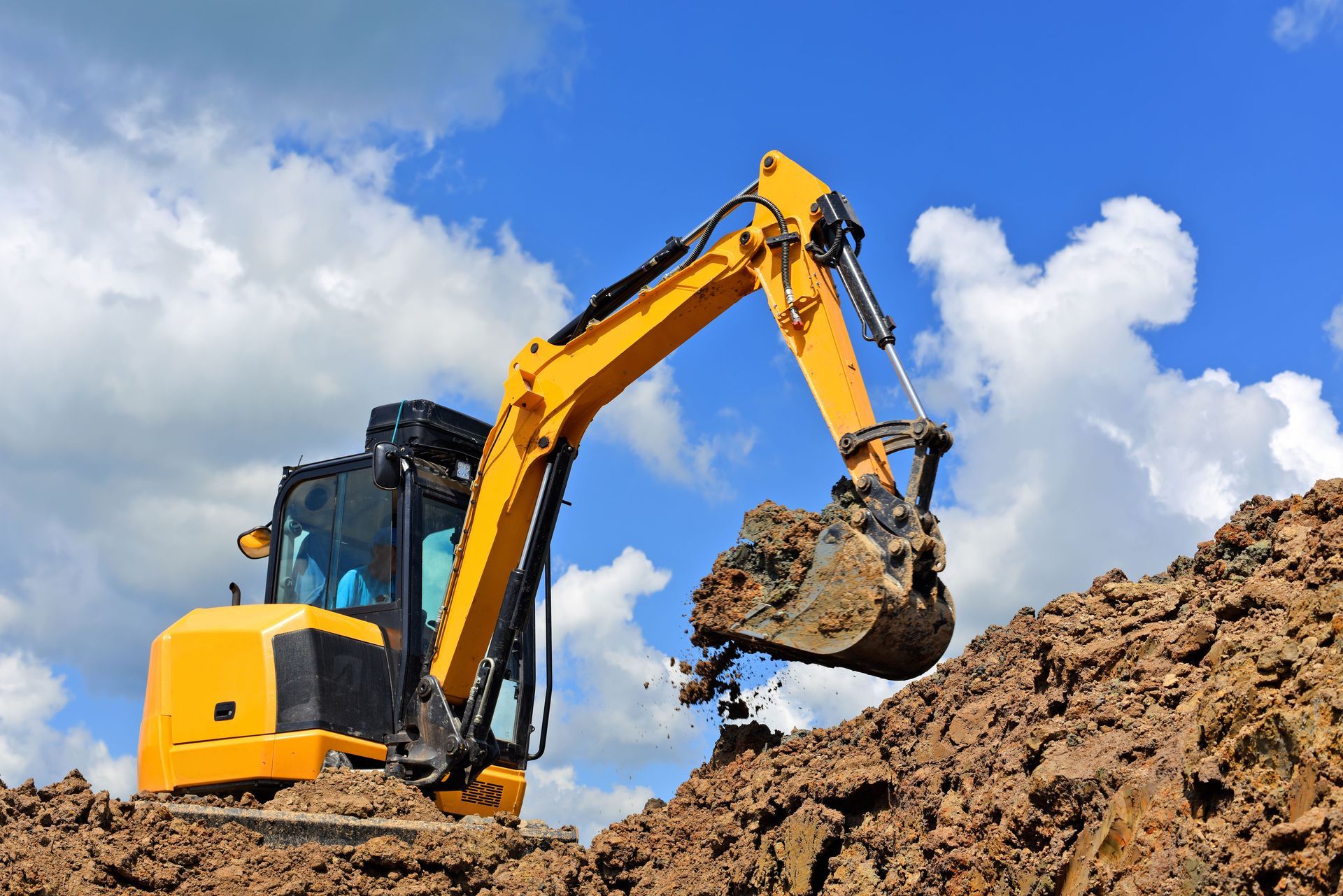
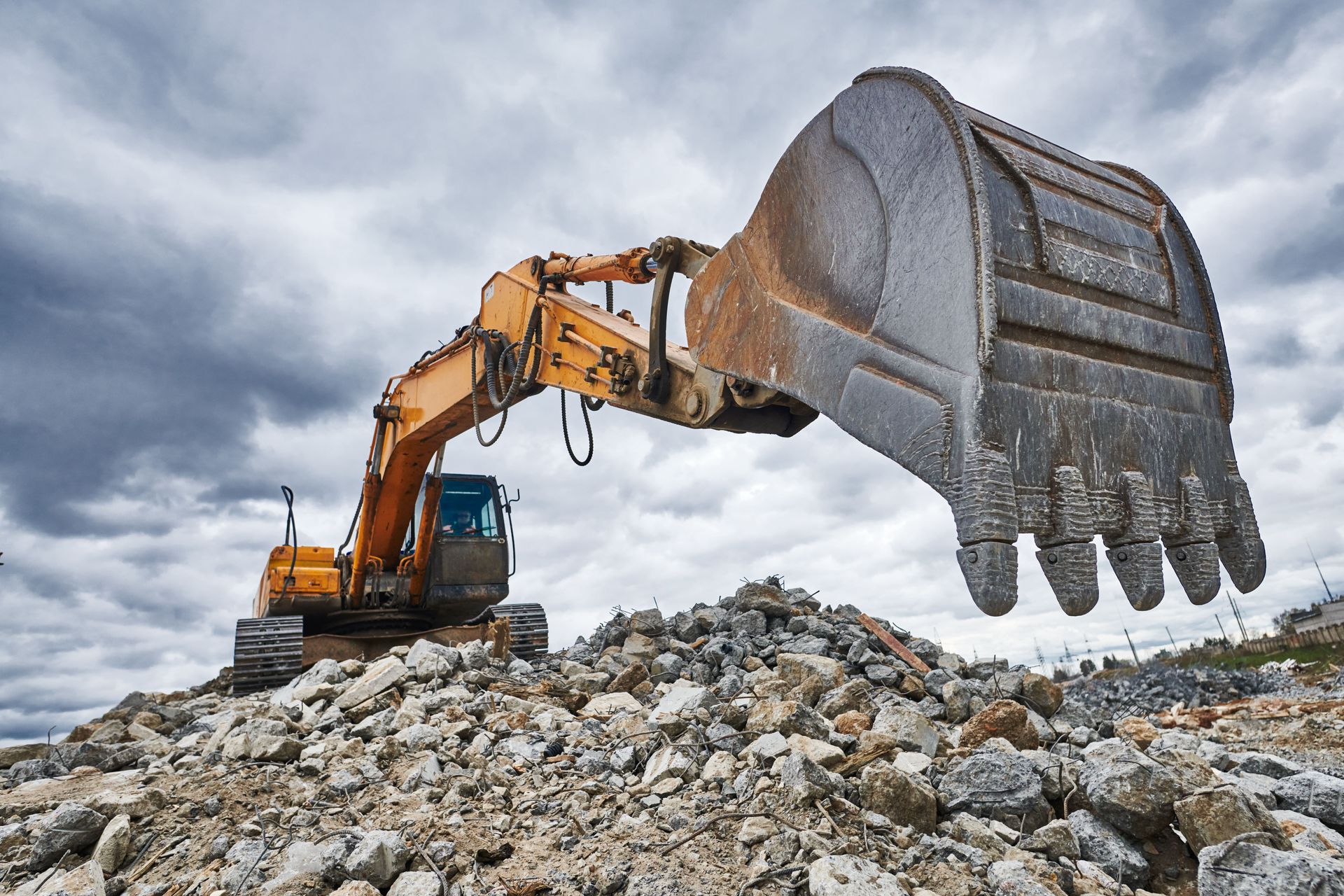
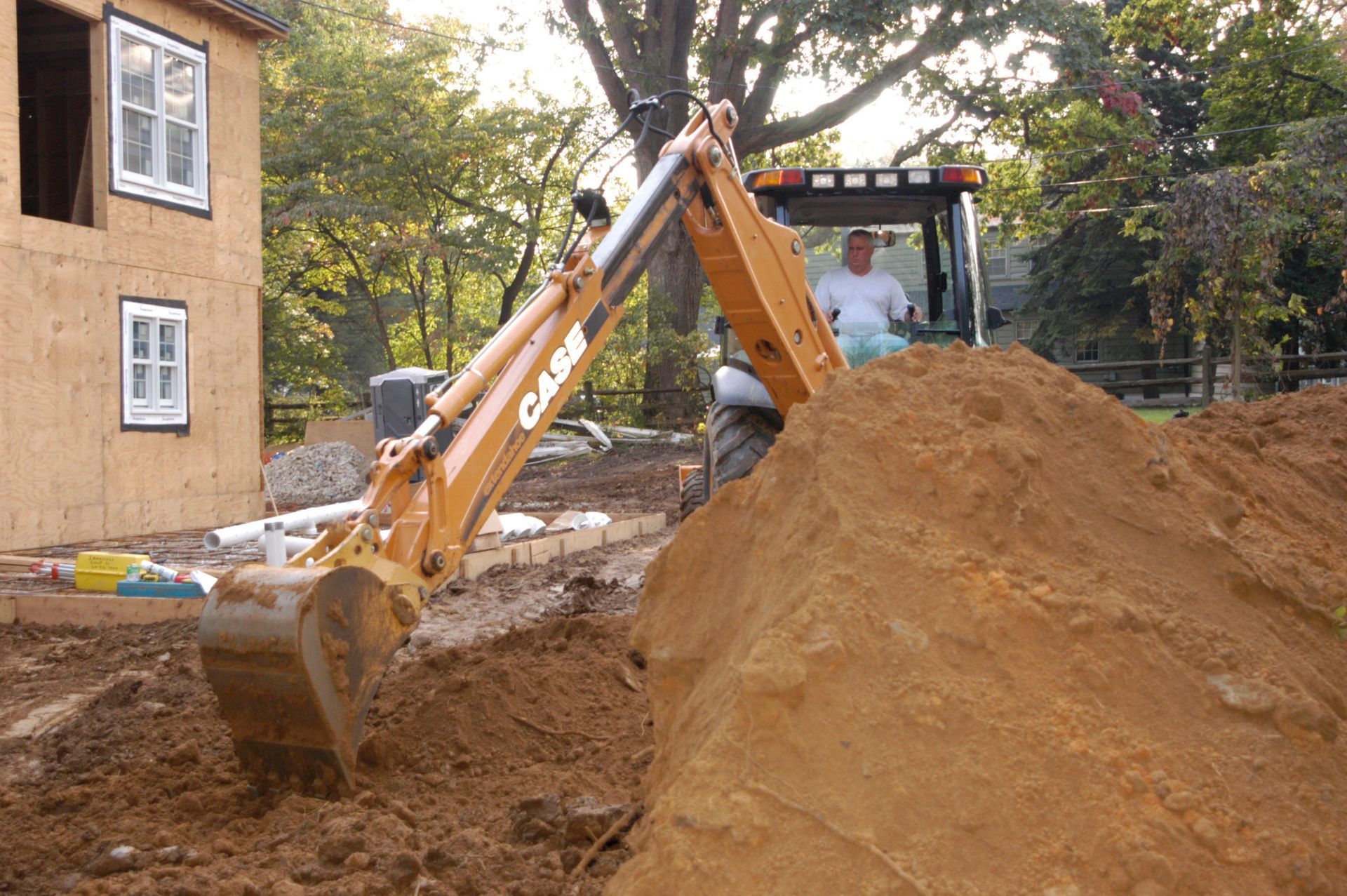
Choosing the right excavation equipment is fundamental to efficient project delivery. The selection of machinery should be based on site conditions, project scale, and specific excavation needs. For instance, using bulldozers for land clearing and backhoes for digging trenches can optimize efficiency. By matching equipment to the tasks, projects can avoid operational delays caused by using inappropriate tools. This alignment ensures that excavation proceeds smoothly, reducing downtime and maintaining project schedules.
Implementing best practices in excavation further supports timely project completion. These practices include ensuring clear communication among team members, maintaining equipment, and scheduling regular maintenance checks. De-watering and drainage management are critical for sites susceptible to water accumulation, which can significantly hinder progress if not handled correctly. Effective shoring and bracing methods should also be employed to stabilize excavation sites and prevent collapses. Collectively, these practices create a safer work environment, minimizing interruptions and project delays.
Adapting excavation techniques to site conditions is another necessary step for successful project execution. Each site presents unique challenges, such as varying soil types, terrain, and environmental factors. Adapting techniques ensures that projects can overcome these hurdles without incurring unnecessary delays. By customizing excavation approaches, project teams can tackle site-specific issues head-on, maintaining efficiency and productivity. This adaptability, when combined with thorough planning and best practices, supports the successful and timely execution of excavation projects.
Proper excavation is the bedrock of any successful construction project. By systematically applying thorough assessments, strategic planning, effective risk management, and ongoing communication, construction teams can stave off delays and prevent unnecessary expenditure. Through continuous evaluation and adaptability, proper excavation not only supports project timeliness but also enhances safety and quality, paving the way for successful project delivery. These practices not only safeguard projects against unforeseen challenges but also ensure that they are completed in a cost-efficient manner. Ultimately, the implementation of these key practices fosters a culture of preparedness, adaptability, and excellence in construction project excavation. If you're looking for excavation services, contact Lovaz Excavating LLC today.