May 26, 2026
The construction industry faces immense pressure to adopt sustainable operational frameworks. Global environmental standards compel companies to minimize their carbon footprints. Overcoming these massive challenges demands innovative approaches to urban development. Builders must prioritize ecological preservation over pure profit margins. Focus shifts toward minimizing waste generated during initial site preparation phases. A paradigm shift toward responsible practices heralds a new era of stewardship.
Processing old structural foundations into reusable aggregate presents a profound opportunity to heal the planet. Stakeholders demand strict accountability from developers regarding material lifecycles. Embracing circular economic principles ensures long-term viability for the entire building sector. This systemic shift represents a fundamental change in human relationships with urban expansion. Transforming discarded rubble into valuable resources supports global sustainability pledges. Corporate leaders hold the power to implement systemic changes.
Advancing Corporate Responsibility Through Material Recovery
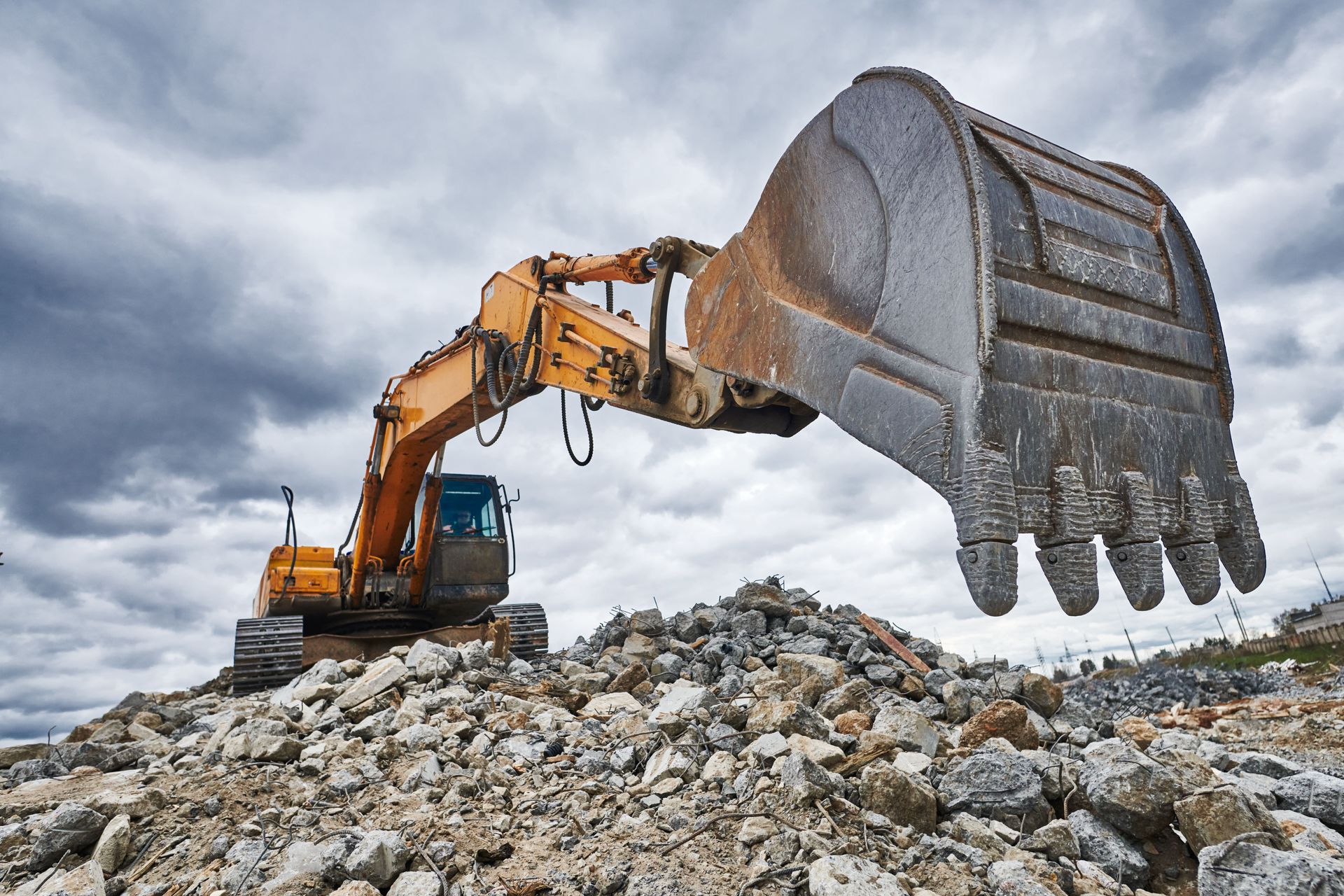
Modern environmental mandates require commercial builders to rethink waste management strategies. Site excavation generates immense volumes of unwanted rubble. Forward-thinking companies transport this heavy material from sprawling landfills to dedicated processing facilities. Crushing and grading structural fragments creates a premium aggregate product. This reclaimed material serves as a stable base layer for new roads. Substituting virgin rocks with reclaimed aggregate reduces overall ecological harm.
Integrating repurposed materials into fresh projects demonstrates a profound commitment to ecological stewardship. Corporate boards recognize the inherent value of minimizing virgin resource extraction. Sustainable practices resonate with modern investors seeking ethical portfolio additions. Reducing dependence on raw mined gravel preserves pristine natural landscapes. These efforts align with overarching corporate governance frameworks designed to protect global ecosystems. Preserving natural habitats ensures a prosperous future.
The process of crushing structural debris requires specialized industrial equipment. Heavy crushers separate metal rebar from the stony matrix to ensure product purity. Magnets pull steel fragments from the conveyor belts for separate processing. The remaining stony pieces undergo sorting through vibrating screens to achieve uniform sizing. Quality control measures guarantee the final aggregate meets strict engineering specifications. Refined materials match mined stone performance.
Utilization of these recycled products lowers overall project expenses. Avoiding landfill disposal fees saves significant capital for development firms. Transporting crushed stone over short distances reduces logistical overhead. Financial savings allow companies to invest in further ecological innovations. Profitability and sustainability coexist within this modernized construction paradigm. Lowering operational costs enables builders to bid on complex infrastructure projects with competitive pricing.
Achieving Climate Targets by Repurposing Debris
Greenhouse gas emissions remain a critical concern for the global building sector. Cement production accounts for a vast portion of planetary carbon pollution. Utilizing reclaimed rubble mitigates the demand for fresh cement production. Lowering the volume of new concrete poured decreases the associated atmospheric impacts. Developers take meaningful strides toward carbon neutrality through these deliberate operational choices. Mitigating climate change requires proactive adjustments.
Environmental metrics provide clear evidence of the benefits associated with these practices. Analysts track emission reductions to verify corporate sustainability claims. According to WifiTalents, recycling concrete from excavation sites can save 30 tons of carbon dioxide for every 1,000 tons. This specific metric illustrates the immense value of circular material usage. Measurable outcomes empower companies to report their ecological progress with absolute confidence. Data validates green initiatives.
Transporting heavy materials contributes a major share of project emissions. Sourcing recycled aggregate from nearby processing plants shortens supply chains. Shorter haul distances mean fewer exhaust fumes released by heavy transport trucks. Localized supply networks build resilience against global shipping disruptions. Regional economies benefit from the establishment of neighborhood recycling infrastructure. Shorter transit routes reduce the carbon footprint of individual development sites.
Protecting air quality remains a core tenet of modern governance standards. Reducing diesel combustion from transport fleets leads to cleaner urban air. Citizens living near development zones experience fewer respiratory irritants. Public health improves when corporations implement responsible logistical strategies. A healthier populace underscores the social aspect of current environmental goals. Breathing clean air remains a fundamental human right protected by stringent emission limits.
Enhancing Environmental Impact With Resource Management
Preserving natural resources stands as a fundamental pillar of ecological protection. Removing excavation debris from the waste stream conserves valuable landfill space. Municipalities struggle to manage the sheer volume of urban refuse. Diverting heavy construction rubble alleviates pressure on overtaxed public disposal sites. Communities maintain cleaner surroundings when industrial waste receives proper management. Landfill diversion extends the operational lifespan of existing public waste facilities.
The extraction of virgin sand and gravel damages fragile aquatic ecosystems. Dredging riverbeds destroys habitats essential for fish and amphibians. Utilizing crushed rubble replaces the need for destructive river dredging. Protecting waterways ensures the survival of diverse biological communities. Corporate policies prioritizing recycled inputs aid in biodiversity conservation. Aquatic life flourishes when industrial operations avoid sensitive riverbed environments. Protecting local watersheds remains paramount.
Water conservation represents a crucial benefit of the recycling process. Washing fresh gravel consumes massive quantities of clean freshwater. Processing reclaimed aggregate requires less water input. Industrial plants employ closed-loop water systems to minimize liquid waste. Safeguarding vital water reserves addresses a major concern for future generations. Efficient resource utilization allows municipalities to allocate drinking water to residential neighborhoods, preserving municipal supplies.
Soil health improves when development avoids pristine natural areas. Mining operations strip fertile topsoil to reach subterranean rock deposits. Repurposing existing structural materials leaves virgin landscapes undisturbed. Flourishing vegetation continues to absorb atmospheric carbon in untouched regions. Maintaining healthy soil profiles supports broader agricultural and ecological stability. Protected topsoil fosters robust plant growth capable of capturing airborne pollutants. Undeveloped land provides crucial habitats.
Fulfilling Sustainability Pledges via Waste Reduction
Governance frameworks mandate clear reporting on material waste reduction. Regulatory bodies scrutinize corporate practices to prevent greenwashing. Documenting the lifecycle of excavation projects provides transparent operational data. Honest reporting builds robust relationships with community stakeholders. Accountability drives continuous improvement in industrial sustainability protocols. Transparent audits reveal the true ecological cost of urban expansion. Sharing emission metrics reinforces corporate dedication to a greener planet.
Educating the workforce remains essential for successful material recovery programs. Site managers must train crews to separate waste categories at the source. Segregating structural rubble from wood and plastic ensures a pure input stream. Specialized training enhances job site efficiency and safety. Skilled workers become active participants in the corporate ecological mission. Knowledgeable employees identify new opportunities for waste reduction during daily operations.
Innovation in sorting technology accelerates the transition to a circular economy. Automated sensors detect contaminants within the rubble stream. Robotic arms remove non-conforming materials with incredible precision. Advanced machinery increases the throughput of processing facilities. Technological investments demonstrate a long-term commitment to operational excellence. Upgraded processing centers handle larger volumes of discarded concrete without sacrificing final product quality. Technological leaps redefine industrial capabilities.
The integration of sustainable practices fosters a culture of corporate pride. Employees seek purposeful work aligning with their personal values. Companies championing ecological initiatives attract top-tier talent. A motivated workforce drives further innovation in operational efficiency. Strong internal morale translates to better community engagement and industry leadership. Uniting staff behind a shared environmental vision strengthens overall organizational resilience. A dedicated team achieves ambitious climate goals.
The transformation of discarded excavation materials into valuable assets redefines modern construction. Meeting strict environmental mandates requires a holistic approach to resource management. By embracing circular economic principles, the building sector mitigates its historical ecological impact. Reduced emissions, conserved resources, and minimized waste stream volumes represent tangible progress. These combined efforts create a resilient foundation for future urban development. Transforming urban waste streams requires persistent dedication.
Sustainable practices are essential for planetary health. Corporate leaders hold the power to implement widespread systemic changes. Prioritizing recycled inputs safeguards natural habitats and vital ecosystems. A steadfast commitment to ecological principles ensures a prosperous future for humanity. The paradigm shift toward responsible building practices heralds a new era of environmental stewardship. Integrating sustainability into core business models secures a thriving planet for generations to come. Ready to bring sustainable practices to your next project? Contact Lovaz Excavating LLC today to learn how our responsible excavation services can help you meet your environmental goals.