April 20, 2026
Excavation is the foundation of any successful construction project, setting the stage for everything that follows. Whether preparing land for a residential home or managing a large-scale commercial development, excavation requires careful planning, specialized equipment, and expert execution. From understanding site conditions and regulatory requirements to coordinating timelines and managing risks, every step plays a vital role in ensuring a smooth and efficient process. By gaining insight into how excavation projects are planned and executed, property owners and developers can better appreciate the complexity involved and make more informed decisions when selecting a contractor.
Understanding the Nature of Excavation Projects
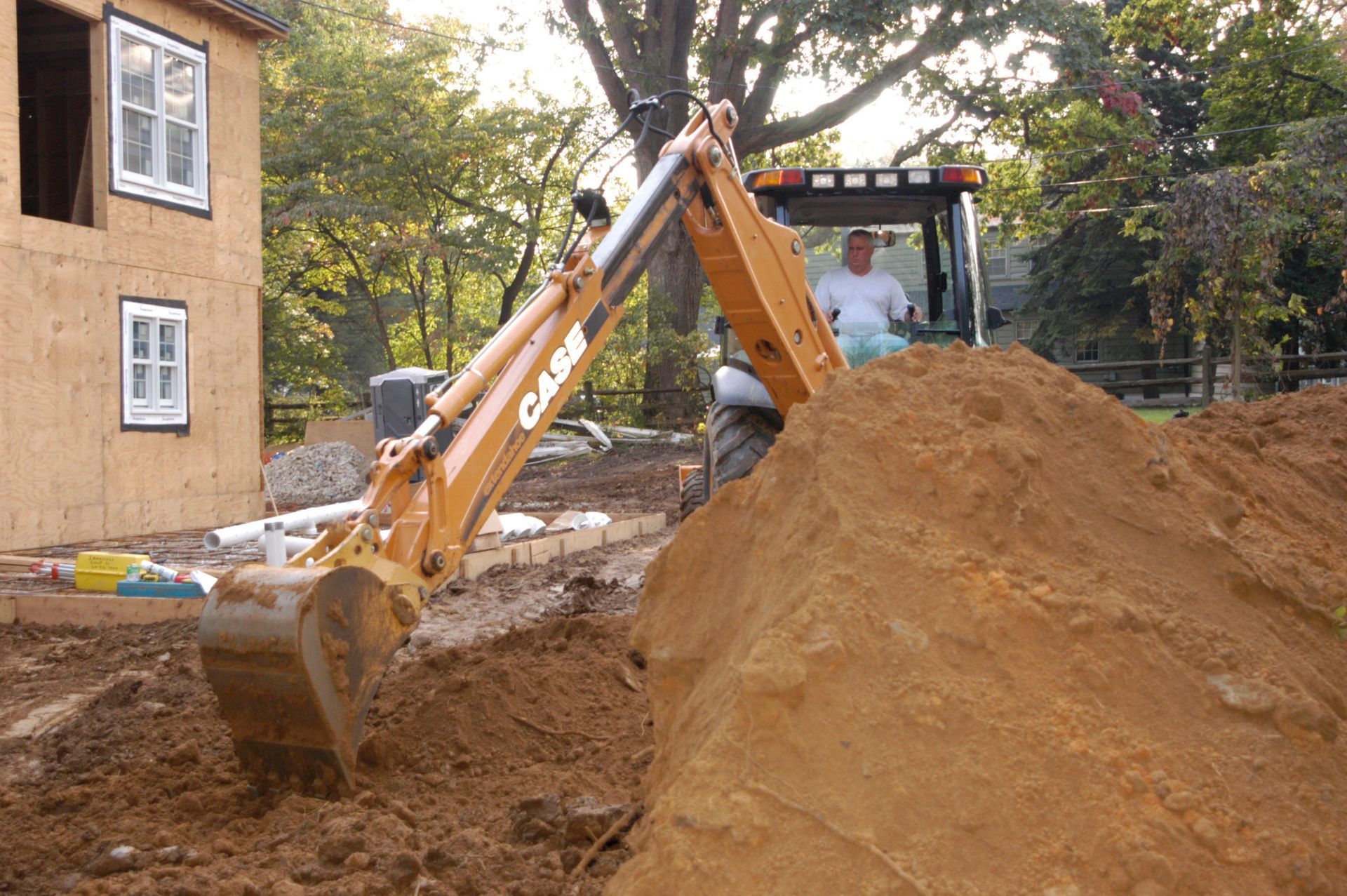
Residential and commercial excavating projects serve different yet equally critical functions within the construction industry. Residential excavations typically involve preparing land for home construction, including digging foundations, installing utilities, and grading landscapes. In contrast, commercial excavations are more expansive, involving larger-scale endeavors such as building complexes, parking lots, and utility networks. Each type of project demands specific expertise to manage its unique set of requirements, from local zoning laws to space considerations. Skilled excavating contractors are adept at maneuvering through these nuances to successfully initiate and complete projects.
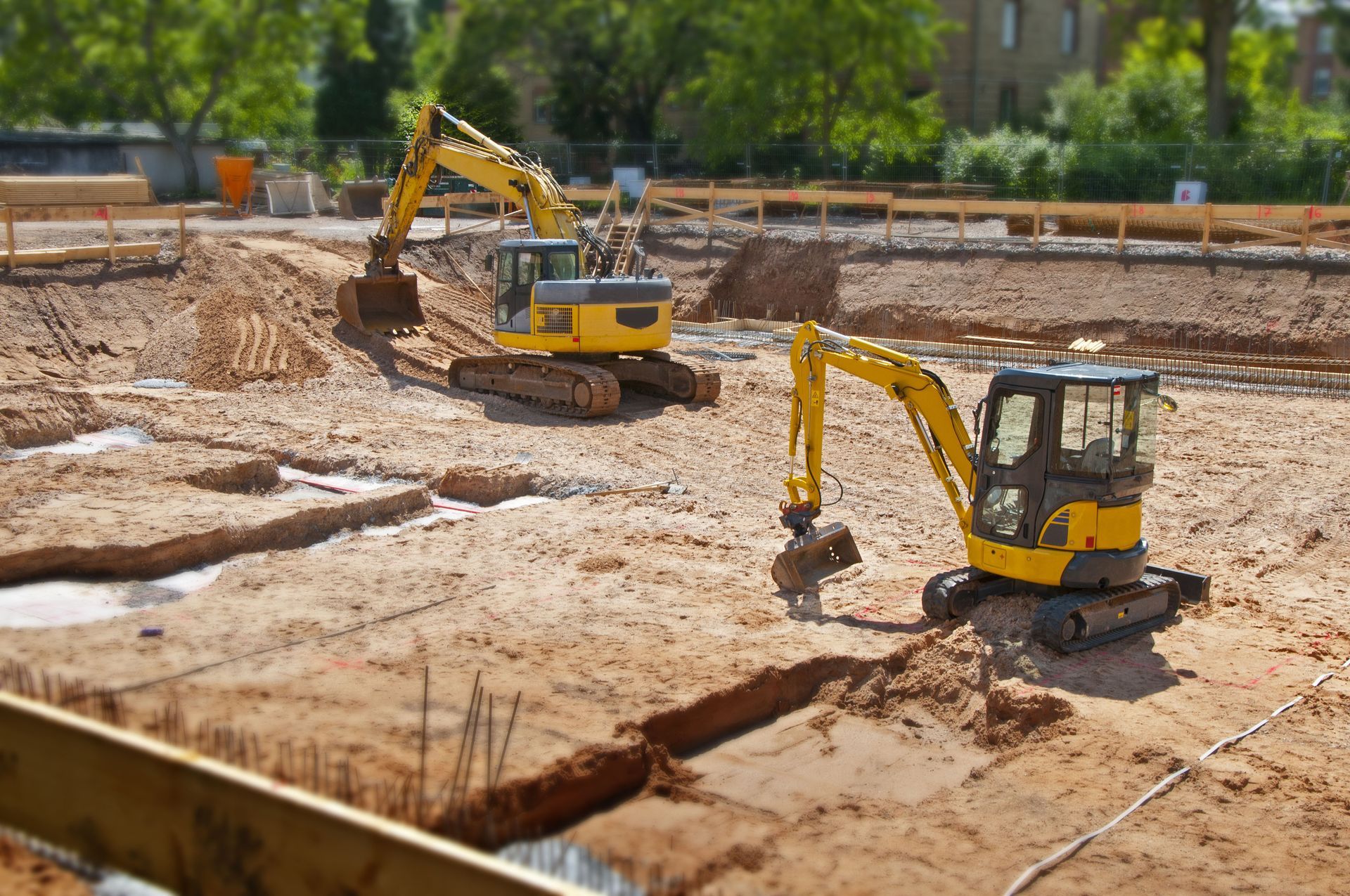
Excavation projects vary widely in scope and complexity depending on their intended purpose. Residential projects often require meticulous attention to small-scale details, such as precise digging for utilities or creating drainage solutions. On the other hand, commercial projects may involve expansive earth-moving operations and coordination with multiple stakeholders. For example, while a home-annex project may need little more than a single excavator, a shopping mall development could necessitate a fleet of machinery. Understanding the unique requirements of each project type enables excavating contractors to allocate resources appropriately and ensure successful outcomes.
Compliance with regulatory and environmental standards is an essential component of excavation work. Contractors must adhere to federal, state, and local regulations governing land use, safety protocols, and environmental protection. These rules often dictate specific practices, such as erosion control measures or restrictions on building near water bodies. Additionally, environmental concerns can include soil preservation, water table protection, and managing proximity to sewer lines. According to a report by USU Engineering, water main breaks in the U.S. related to sewer proximity issues total 260,000 annually, highlighting the importance of careful planning and execution in excavation projects to mitigate such risks.
Site assessment is a critical initial step in the excavation planning process, involving detailed analyses of soil conditions, topography, and accessibility. Contractors obtain topographical maps, perform soil tests, and consult with geotechnical experts to understand the site's limitations and opportunities. Accessibility is also a significant factor, particularly in urban areas where space is limited and multiple structures coexist. Proper assessment enables excavating contractors to tailor their approach, choosing the right equipment and strategies for efficient project execution. This phase lays the foundation for overcoming logistical challenges as the project progresses.
Project Planning and Management
Effective excavation begins with a thorough initial consultation and job assessment. During this phase, contractors meet with project stakeholders to understand objectives, timelines, and budgetary constraints. This stage is crucial for aligning expectations and establishing parameters for successful execution. A detailed site analysis follows, involving soil tests, environmental assessments, and topographic surveys. These preliminary insights guide the development of project plans, ensuring that all potential challenges are identified and addressed before machineries roll onto the site.
Once assessments are complete, excavating contractors focus on developing detailed project plans that outline each phase of execution in granular detail. These plans serve as blueprints, dictating the project's progression from start to finish. Elements such as excavation depths, slope gradients, and drainage solutions are meticulously outlined to avoid errors that could lead to deviations from intended outcomes. Moreover, detailed project plans include logistical considerations, such as equipment schedules and labor requirements, integrating all components into a cohesive and executable strategy.
Scheduling and timeline coordination are central to maintaining momentum and ensuring timely project delivery. Contractors utilize project management software to track timelines, set milestones, and communicate deadlines to all team members. This approach allows for proactive adjustment in response to delays or changes in project scope. Effective scheduling also involves coordination with other excavating contractors and utility providers, necessitating clear communication and collaboration across project teams. Structured timeline management is crucial for avoiding cost overruns and keeping projects on track.
A comprehensive budget is pivotal for managing an excavation project's financial health. During the planning phase, contractors establish budget estimates, accounting for labor, equipment, permits, and contingencies. As projects proceed, regular audits and cost-tracking mechanisms help monitor expenses and ensure alignment with initial projections. Proactive cost management also involves negotiating with suppliers for the best pricing on materials and strategically managing labor allocations. These strategies are crucial for keeping projects within financial constraints while maintaining high standards of quality and efficiency.
Risk management forms an integral part of the excavation project lifecycle, with excavating contractors dedicating resources to identify and mitigate potential risks. This involves analyzing site-specific threats such as soil instability, weather disruptions, and proximity to underground utilities, including sewer lines. Considering the statistical prevalence of U.S. water main breaks—a total of 260,000 annually—underscores the necessity for diligent risk assessments. Once risks are identified, mitigation strategies are formulated, including adjustments to project plans, safety protocols, and contingency reserves to counter potential setbacks.
Selection and Utilization of Equipment
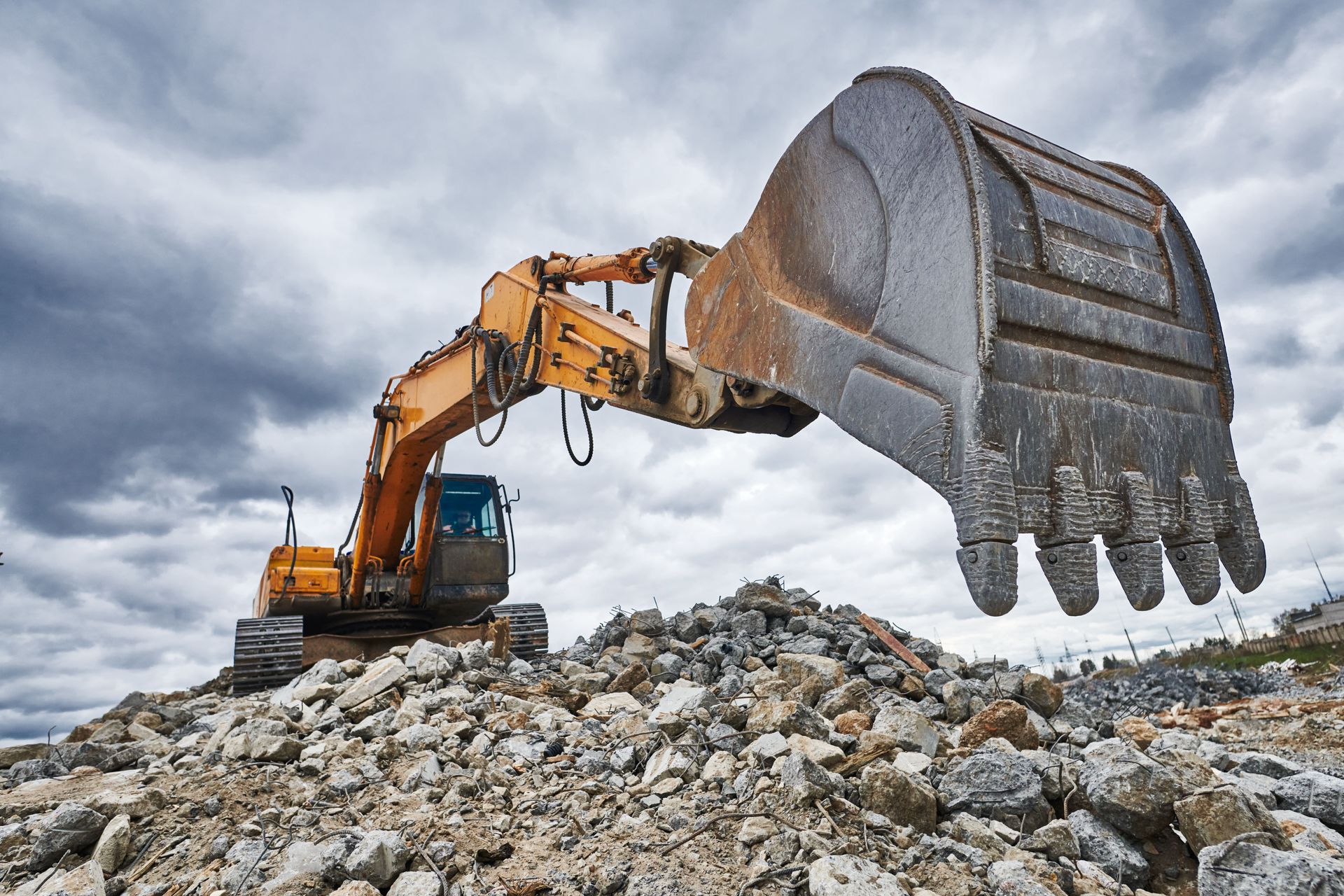
Excavation projects rely on a diverse array of machinery tailored to specific tasks, such as soil removal, grading, and utility installation. Commonly used equipment includes backhoes, excavators, bulldozers, and trenchers, each designed for specialized functions. For instance, backhoes are versatile for digging and loading, while bulldozers excel in large-scale earthmoving and site preparation. Choosing the right set of machinery plays a significant role in the efficiency and success of a project, as each machine's capabilities align with distinct project requirements and site conditions.
The integration of technology has revolutionized excavation practices, enhancing precision, efficiency, and safety. GPS and laser-guided systems have replaced manual measurements, enabling excavating contractors to achieve precise grading and excavation depths. These technologies also facilitate real-time monitoring of progress, providing valuable data for project managers to make informed decisions. Furthermore, advancements in equipment automation allow for remote operation, minimizing human error and increasing safety on-site. Technology-driven approaches are now indispensable for modern excavation, driving continuous improvements in project outcomes.
Regular maintenance and upkeep are essential to ensure the longevity and optimal performance of excavation equipment. Contractors schedule routine inspections to identify wear and tear, execute necessary repairs, and prevent unexpected breakdowns. Maintenance practices include checking hydraulic systems, changing oil, inspecting tracks, and calibrating electronic systems. Proactive equipment management minimizes downtime and maximizes productivity, directly impacting the project's timeline and cost effectiveness. By prioritizing the health of their machinery, contractors maintain a competitive edge and enhance overall project efficiency.
Successful excavation projects rely on a combination of detailed planning, skilled professionals, advanced equipment, and proactive risk management. From initial site assessments to final grading, each phase must be executed with precision to ensure safety, efficiency, and long-term stability. Whether working on a residential build or a large commercial project, the ability to adapt to site conditions, adhere to regulations, and utilize modern technology makes all the difference in achieving reliable results.
If you’re planning an upcoming construction project, partnering with an experienced excavation contractor is essential. Reach out to Lovaz Excavating LLC today to discuss your project needs, evaluate your site, and ensure your excavation is completed efficiently, safely, and to the highest standards.