February 3, 2026
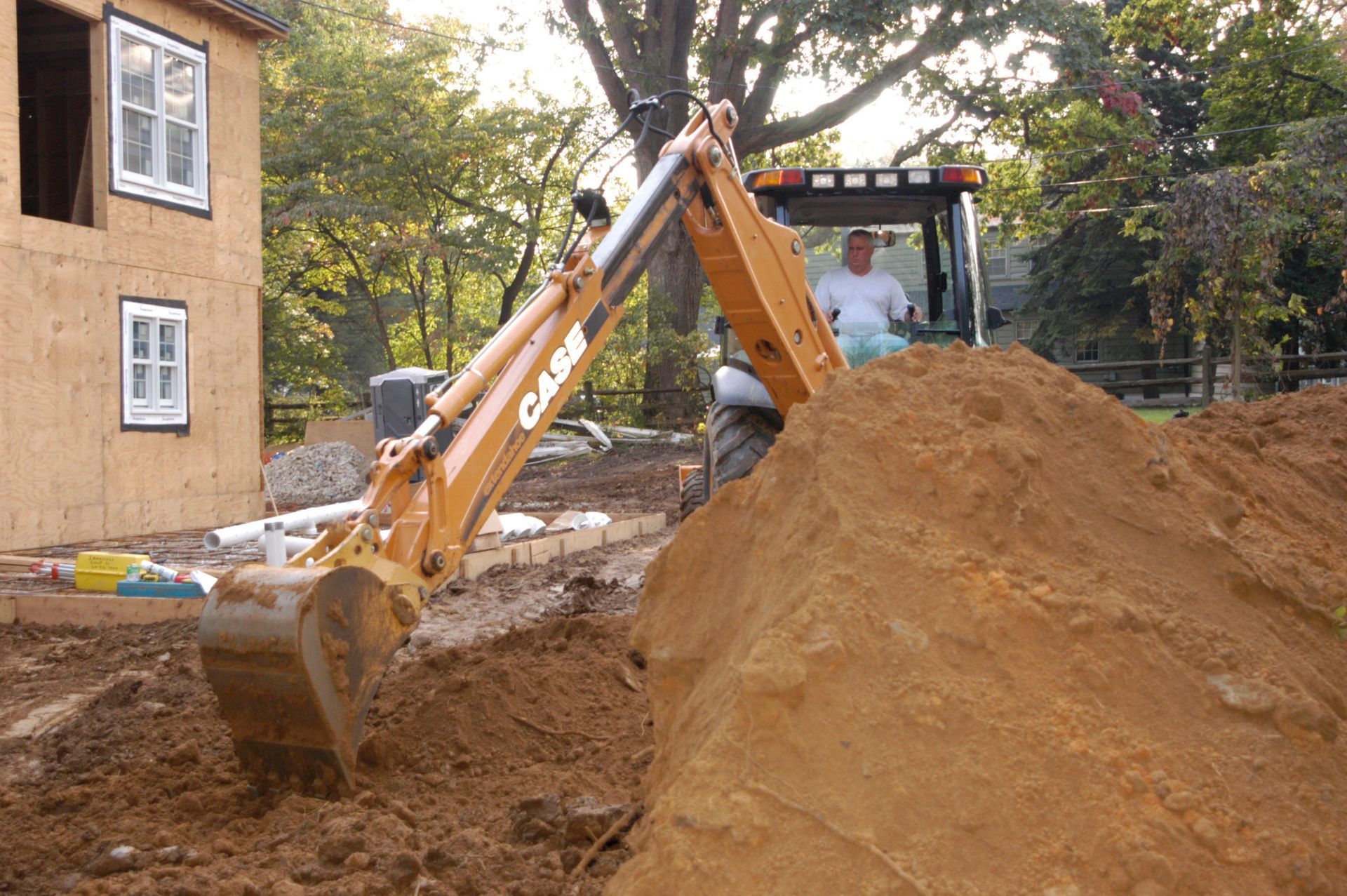
The thought of a failing sewer system is enough to cause any homeowner significant stress. Traditionally, the only way to address a collapsed or severely corroded pipe was through open-trench excavation, a process that involves digging up the entire length of the line. This often meant destroying expensive landscaping, tearing up driveways, and leaving a massive scar across the yard. However, modern technology has introduced a much less invasive alternative: trenchless sewer line replacement. By understanding how this process works and why it is becoming the preferred method for homeowners, you can save time, money, and your property’s curb appeal.
The scale of a replacement project can vary significantly depending on your property's location and size. According to This Old House, homes in cities or dense suburbs might have just 25 to 60 feet of sewer lines, while larger rural properties could have lines stretching 75 feet or more. Regardless of the distance, every foot of traditional digging adds to the restoration costs once the plumbing work is finished. Trenchless methods eliminate the need for long trenches, requiring only small access points to complete the job. For properties with mature trees, intricate stone paths, or paved surfaces, this technology is a game-changer.
Understanding the Mechanics of Trenchless Replacement
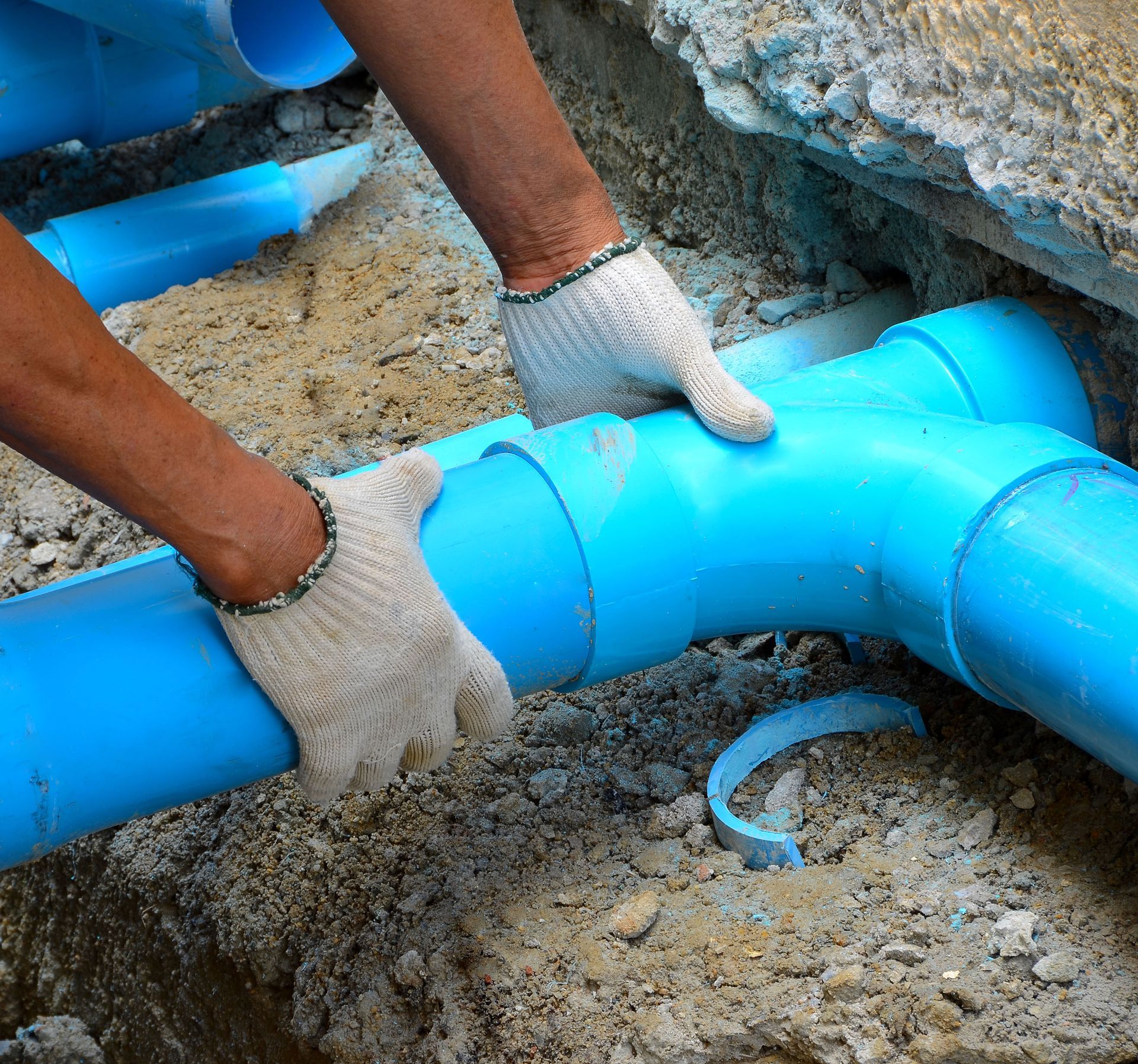
Trenchless technology allows professionals to replace or repair underground pipes without the need for extensive digging. Instead of a backhoe carving a trench through your yard, specialized equipment is used to install a new pipe within the path of the old one. There are two primary methods used in the industry today: pipe bursting and pipe lining, also known as Cured-in-Place Pipe (CIPP). In pipe bursting, a large bursting head is pulled through the old, damaged line. As it moves, it breaks the old pipe apart and pushes the fragments into the surrounding soil. Simultaneously, it pulls a new, seamless high-density polyethylene (HDPE) pipe into place behind it. In pipe lining, a flexible tube coated with resin is inserted into the existing pipe. Once in place, the resin is cured and hardened, creating a pipe within a pipe that is structural and joint-free. Both methods provide a long-lasting solution that is often more durable than the original materials.
Preserving the Aesthetics of Your Landscape
The most immediate benefit of choosing trenchless sewer line replacement is the preservation of your landscape. Traditional excavation does not just move dirt; it often requires the removal of trees, the demolition of porches, or the cutting of asphalt. The cost of restoring these features after the plumbing is fixed can sometimes equal or exceed the cost of the sewer work itself. Trenchless methods utilize small entry and exit pits, leaving the rest of your property untouched. Because the footprint of the work is so small, the environmental impact is also reduced, as there is less disruption to the local soil and ecosystem.
Furthermore, trenchless repairs are typically much faster than traditional methods. A standard excavation project can take a week or more to complete, during which time your water and sewer services may be limited. Most trenchless replacements can be finished in just one or two days. This efficiency minimizes the disruption to your daily life and reduces the labor costs associated with the project. For busy families or businesses, the speed of trenchless technology is a major logistical advantage that prevents the home from being uninhabitable for long stretches.
Recognizing the Signs of Pipe Failure
Identifying when you need a replacement is the first step in avoiding a total system collapse. While some issues can be solved with a simple cleaning, persistent problems often point to structural failure. Frequent backups are a primary indicator; if your drains are constantly slowing down despite being snaked, the pipe may be collapsed or infiltrated by roots. You should also watch for soggy patches in the yard. Unexplained wet spots or exceptionally lush, green patches of grass often indicate a leak in the sewer line where the effluent is acting as an unintended fertilizer.
Sewer odors are another sign that should never be ignored. A healthy sewer system is airtight, so if you smell sewage in your basement or yard, there is a definitive breach in the line. Additionally, look for indentations in the lawn. A broken pipe can cause the surrounding soil to dissipate or wash away, leading to visible sinkholes or dips in your landscaping. If you experience these symptoms, a professional camera inspection is required. A technician will thread a high-definition camera through the line to see the exact condition of the pipe, allowing them to determine if sewer line replacement is necessary and if the existing line is a good candidate for trenchless methods.
Evaluating the Durability of Modern Materials
Many homeowners worry that a trenchless fix is a temporary patch rather than a permanent solution. In reality, the materials used in these processes—specifically HDPE and epoxy resins—are designed to last for many years. These materials are highly resistant to chemical corrosion and, more importantly, they are jointless. Most sewer failures occur at the joints where sections of pipe meet, as these are the points where tree roots can easily penetrate. By eliminating these weak points, the new system becomes significantly more robust.
Because trenchless sewer line replacement creates a seamless, continuous pipe, the risk of future root intrusion is virtually eliminated. This makes the new system significantly more reliable than the clay, cast iron, or Orangeburg pipes found in older homes. You are not just fixing a leak; you are upgrading your home’s infrastructure with a superior, modern material that will serve the property for generations. The smooth interior of these new pipes also improves flow capacity, reducing the likelihood of clogs and buildup over time compared to the rough interior of aging iron or concrete pipes.
Analyzing the Costs and Long-Term Value
At first glance, the quote for trenchless sewer line replacement may appear higher than a traditional digging quote. This is because the specialized equipment and resins are more expensive than standard PVC piping. However, when you calculate the total project cost, trenchless is almost always the more economical choice. When you factor in the thousands of dollars saved by not having to replace a paved driveway, replant a mature garden, or rebuild a sidewalk, the value becomes clear. It is a more efficient use of capital that prioritizes the long-term health of the home.
Additionally, the speed of the project reduces the cost of labor and the potential for hidden costs associated with hitting other utility lines during a massive excavation. Many homeowners' insurance policies or exterior service line warranties also cover or incentivize trenchless repairs because they are less risky and more efficient. It is an investment in the long-term health of your property that prevents future emergency expenses. By spending more on the technology upfront, you avoid the secondary costs of property restoration and the inconvenience of a prolonged construction project on your front lawn.
Dealing with sewer issues is never convenient, but modern technology has removed much of the destruction from the restoration process. By choosing a trenchless approach, you protect your home’s landscaping, save time, and install a system that is built to last a century. It is the smartest way to address underground infrastructure issues without turning your yard into a construction zone. When you are ready for a professional assessment, trust the experts who prioritize your property's integrity. Lovaz Excavating LLC is dedicated to providing high-quality sewer line replacement services with a focus on efficiency and customer satisfaction. Call Lovaz Excavating LLC today to learn more about our trenchless solutions and how we can help you get your home back in working order with minimal stress.